ASF Leadership Summit: Our Moment is Now
2026
Event Details
TULSA, OKLAHOMA
Event Details
TULSA, OKLAHOMA
The 2026 Schweitzer Leadership Summit will bring together 150+ extraordinary Fellows, Fellows for Life, and ASF supporters from across disciplines – medicine, nursing, law, social work, education, allied health, policy, and beyond – who share a deep commitment to advancing community health across the US. Schweitzer Fellows and alumni are united by compassion and equipped with the skills to drive lasting change.
2026 Summit Speakers
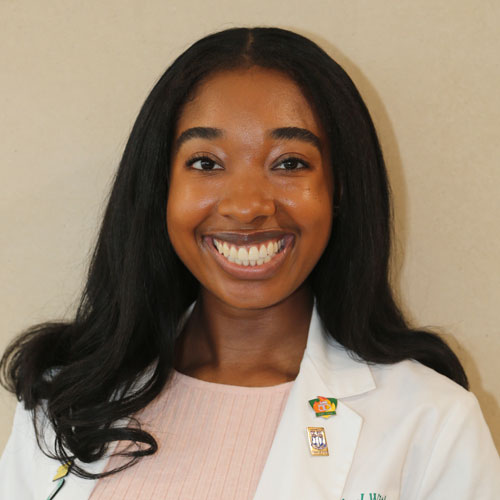
Lexi Witherspoon
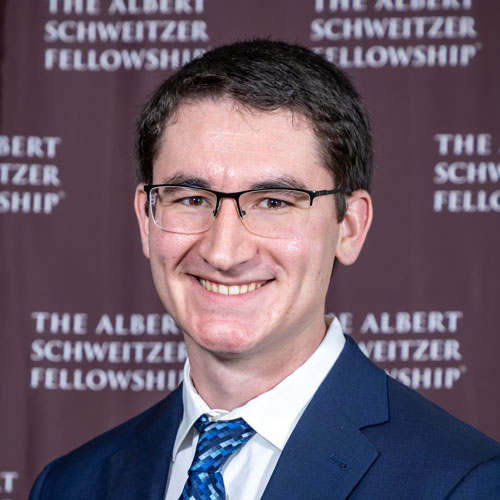
Mark Mills
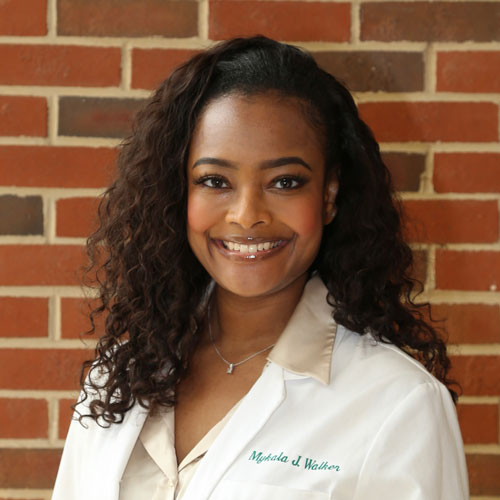
Mykala Walker
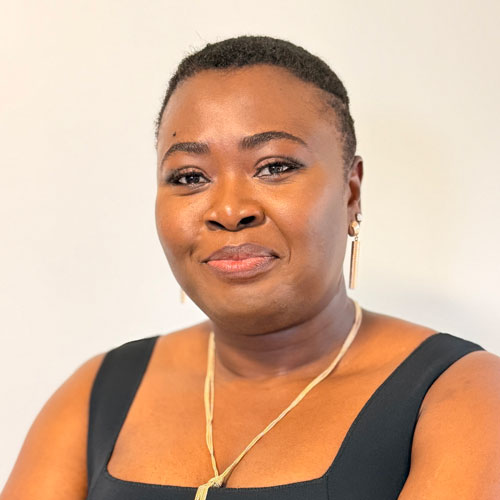
Chinasa U. Imo, MA, MAID
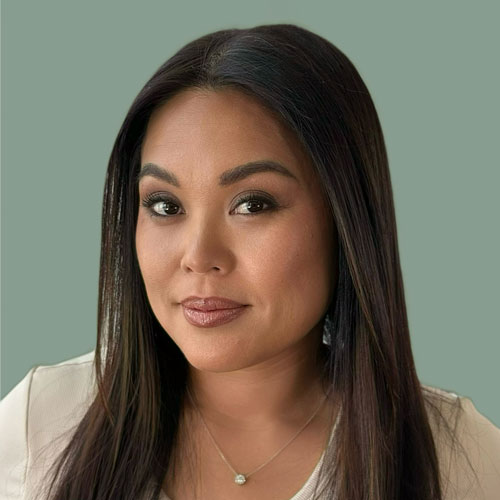
Katherine (Kat) Yu, DO, MPH
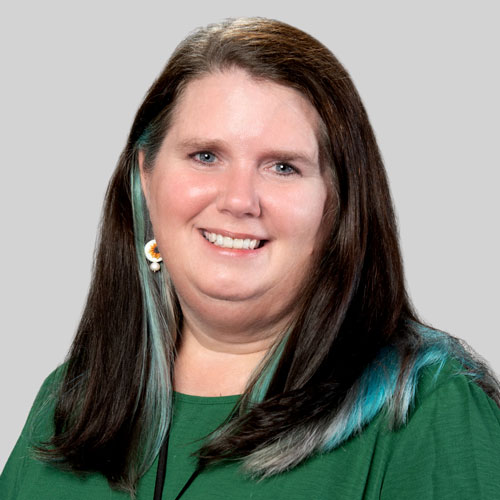
Kimberly Eaton, MS
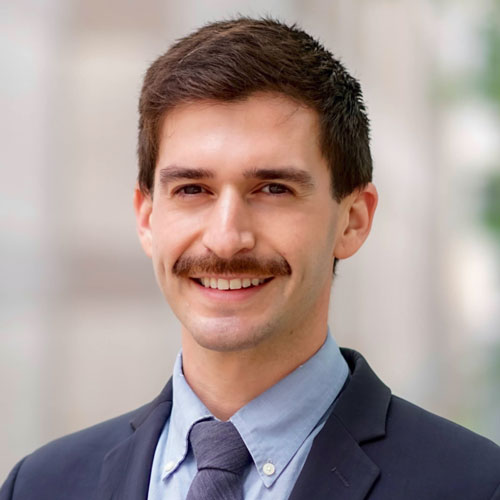
Kyle Lakatos, MD, MPP, MS
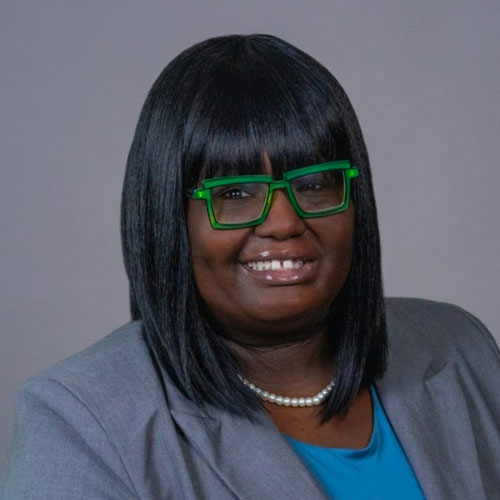
Itisha Jefferson
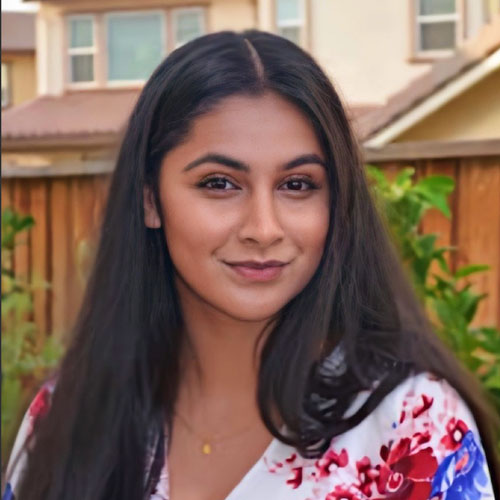
Tanaya Kollipara
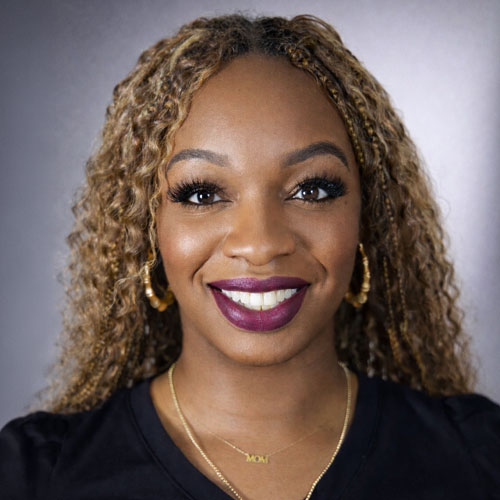
Rachel Guthrie
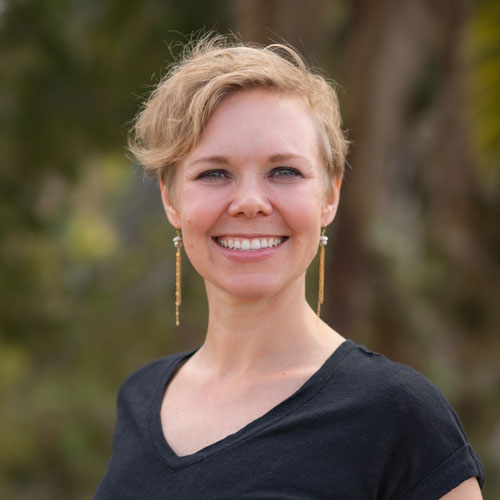
Sara R. van Koningsveld, MA
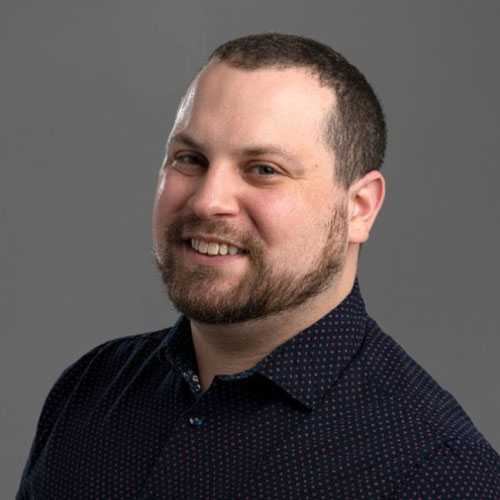
Padraic Stanley, MSW
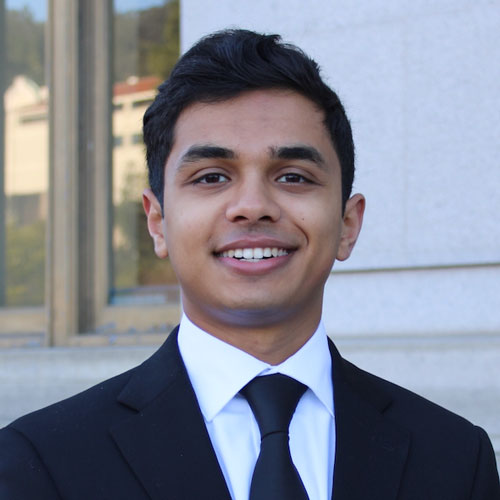
Joshua Varghese
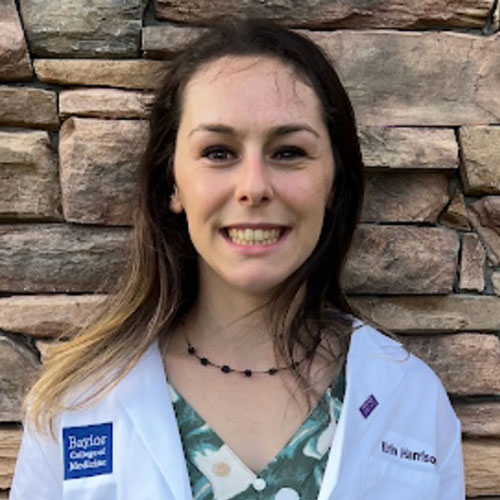
Erin Harrison
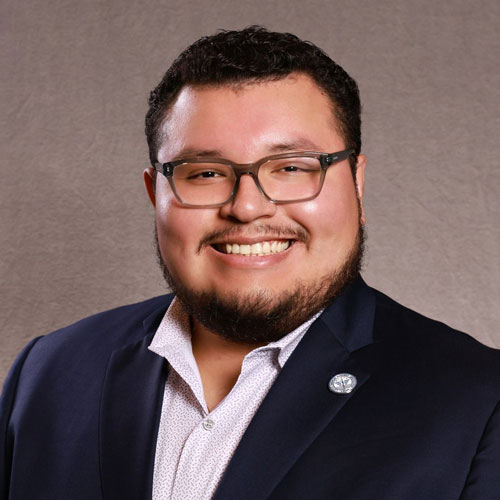
Martin Silguero Jr.
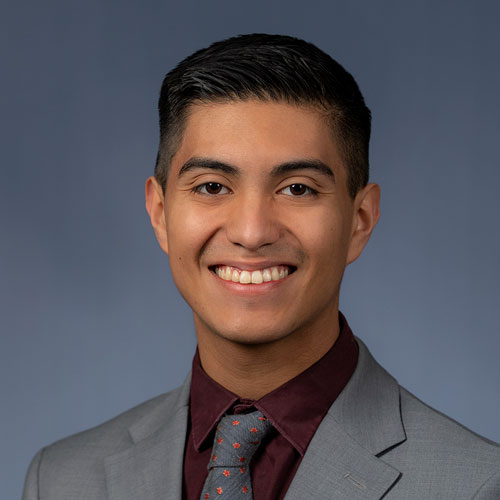
Edgard Castillo
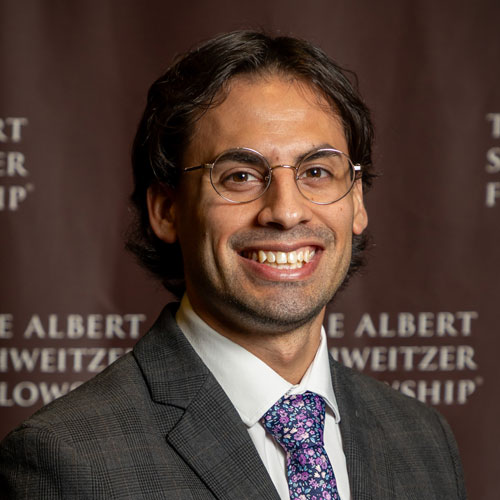
Hayden Kingfisher
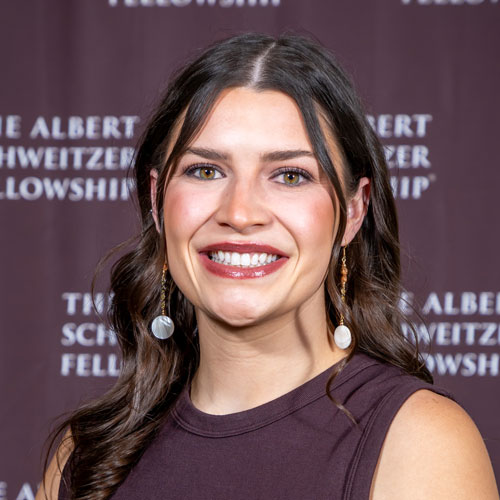
Kyleigh Harrell
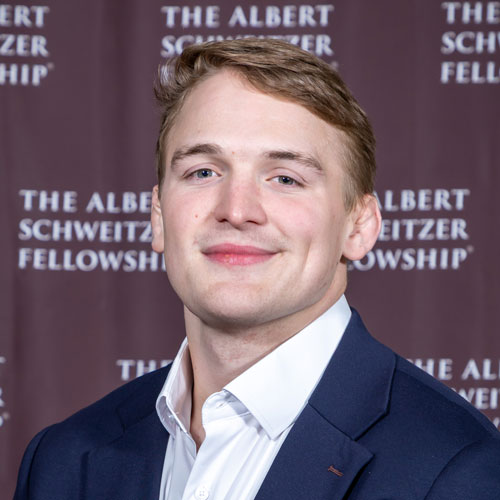
Josh Heindselman
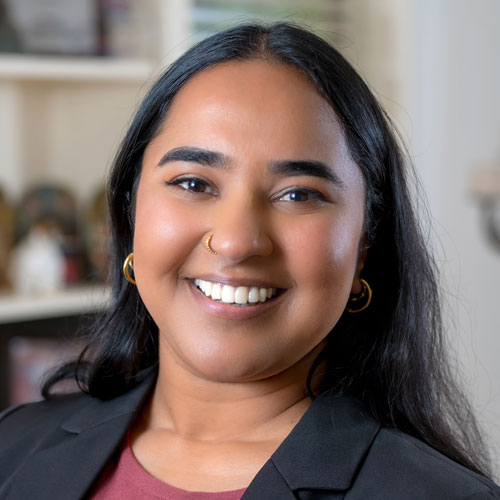
Carol Jacob, MPH
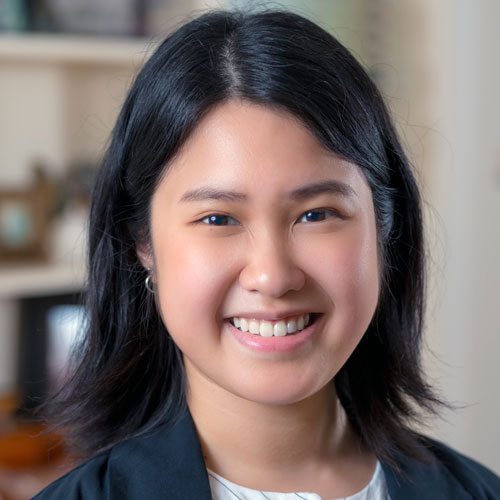
Nichole Hoang, MPH
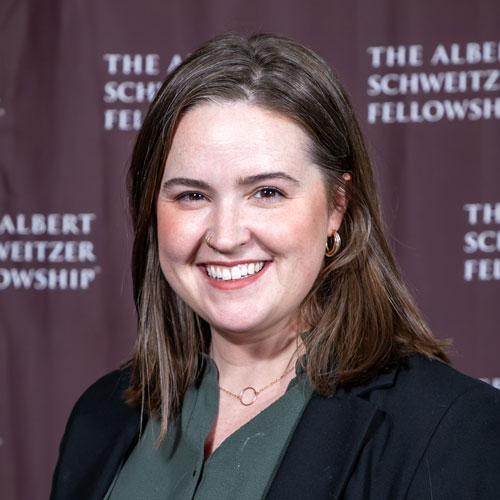
Emma Morris, MPA
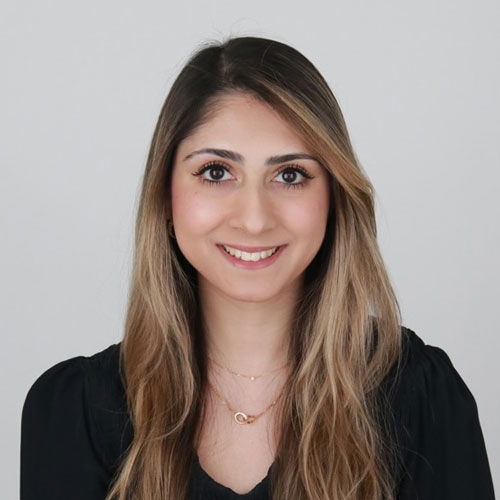
Zena Karagoli, MD, MS
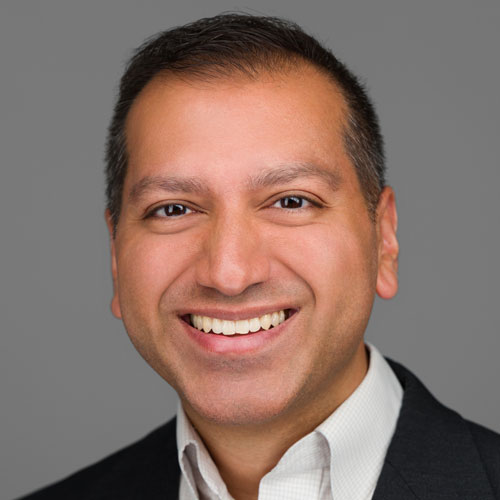
Sachin Jain, MD, MPH
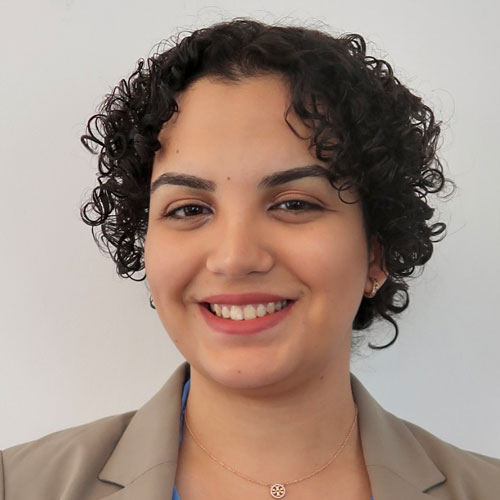
Nour Hassan, MSc
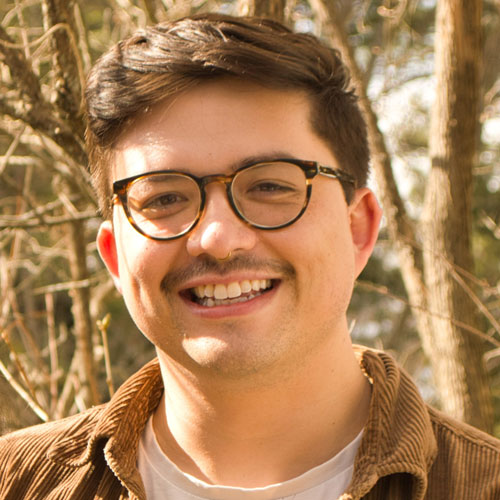
Jonathan Lê Slowey
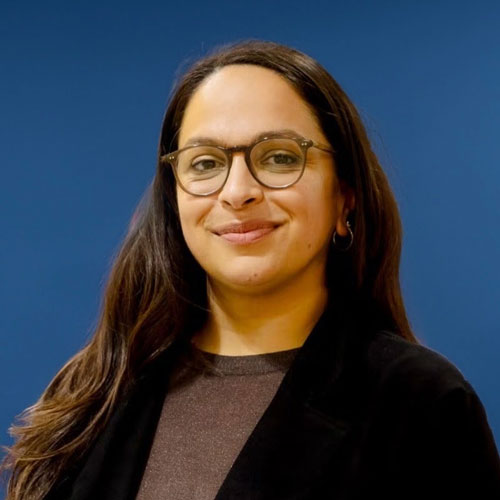
Anjali Pinto, MS
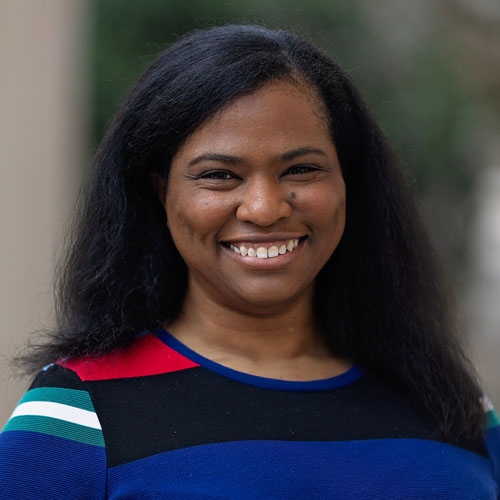
Rachel Stokes-Shiers, DrPH, MPH
Leadership Summit Agenda
Posters & Booths Accessible All Day
Thursday – November 5
Welcome to the ASF Leadership Summit. Hotel check-in starts at 4pm, though feel free to check at the front desk to see if your room is available earlier. The front desk can store your suitcase if you arrive before your room is ready and you’d like to go on the Tulsa Tour starting at 3pm. ASF team members will be on site at the Hyatt if you need support as you get settled.
Explore Tulsa through a curated tour of sites shaping the city’s future in innovation, education, and health. Led by Experience Tulsa, the tour offers a behind-the-scenes look at organizations and initiatives that are strengthening Tulsa’s communities, expanding opportunity, and developing new approaches to complex challenges. Along the way, participants will see how partnerships across sectors are helping Tulsa build a more vibrant, healthy, and innovative city, including a brief stop at the University of Tulsa (TU) to meet President Stacey Leeds and Health Sciences Dean Dr. Ron Walker.
The Tulsa ASF’s advisory board is honored to host ASF guests from across the country for a welcome reception. Expect a warm welcome, a light dinner, and some entertainment. Note that on exhibit at the 101 Archer Gallery that evening will be Still Sovereign: Land, Law, Memory. This exhibit examines Tribal sovereignty as a living and ongoing reality. Guided by ancestral memory and Indigenous governance systems in existence long before the United States, the exhibition explores sovereignty through relationships to land, law, and community. Through contemporary and traditional Indigenous art, historical materials, and community knowledge, the exhibition demonstrates that sovereignty is not an abstract concept but an innate concept practiced every day through stewardship, governance, storytelling, and responsibility to future generations. About the curator: Carly Treece (she/her) is a Citizen of the Mvskoke Nation and of Cherokee ancestry, based on the Mvskoke Nation in Tulsa, Oklahoma. A lifelong Tulsan, born and raised in North Tulsa, she is a multidisciplinary artist, independent curator, cultural facilitator, and community advocate whose work centers Indigenous sovereignty, representation, land, memory, and community.
Friday – November 6
Check in and get settled
Enjoy breakfast and if you’d like, the chance to connect with others from your ASF chapter at designated tables
The Gift of Failure
Tulsa’s independent bookstore, Magic City Books will have Jess’ book available for purchase, and the author will be available for signing.
A Narrative Medicine Approach to Empower Voices and Transform Care
Securing funding is both an art and a science. This session focuses on equipping fellows with practical tools to navigate the full fundraising lifecycle.
Explore the Psychosocial Vulnerability, Fragmented Systems, and the Challenge of Community-Centered Care.
Developing Emotional Literacy as a Leadership Skillset
Using Storytelling to Build Trust, Community, and Impact
Enjoy lunch and the chance to sit at themed tables for collaboration opportunities.
An interactive, three-part workshop designed to transform personal narrative into a tool for health advocacy.
How Community Partnerships Can Transform Health Systems
Storytelling and Community Buy-In in Upstream Prevention
An interactive wellness and community-centered session exploring the transitions of womanhood through the Maiden, Mother, and Matriarch stages.
Sustainable Careers in Federally Qualified Health Centers
Learn from Tulsa’s outstanding community health initiatives, the leaders behind them, and its history. Departing via shuttle from Gradient. All have limited capacity. A sign-up form will be distributed to registrants in advance of the summit.
Tour the nation’s only tribally affiliated medical school and the Cherokee Nation’s outpatient healthcare center and new hospital, exploring how the Cherokee Nation is shaping the future of health care through education, innovation, cultural connection, and community-centered care. This is an extended site visit: 12:15 pm – 4:45 pm
Clarehouse is a nationally recognized leader in social model hospice care, pioneering an approach to end-of-life care that centers dignity, community, and the experience of the whole person in a home-like setting. Its innovative model has relevance far beyond Tulsa, offering a powerful example of how communities can reimagine what compassionate care at the end of life can look like. Building on this work, Executive Director , founded the national Omega Home Network, helping communities across the country develop and strengthen similar models of community-based end-of-life care.
Visit Greenwood Rising, a state-of-the-art history center in Tulsa’s historic Greenwood District, to explore one of the most significant chapters in American history and its enduring implications for communities across the country. The museum traces the rise of Black Wall Street – once home to more than 300 Black-owned businesses -through the devastation of the 1921 Tulsa Race Massacre and into its legacy today.
Visit Lindsey House, a transitional living home for women with children experiencing situational homelessness, to explore a community-based approach to addressing housing instability and its impact on health and family well-being. Lindsey House empowers families on their journeys to independence by pairing the stability of a fully furnished apartment with wraparound support designed to address the interconnected challenges families face.
Visit Women in Recovery (WIR), a nationally recognized alternative-to-incarceration program for women, to explore a community-based approach to addressing the interconnected challenges of substance use, trauma, mental health, poverty, and involvement with the criminal legal system. Through substance use treatment, mental health care, workforce readiness, family reunification, and other wraparound supports, WIR works with women to build stability and pathways to long-term well-being.
Visit Uma Tulsa, a trauma-informed community health hub in East Tulsa’s Global District, where bilingual health education, care navigation, and workforce training empower Hispanic, immigrant, and underserved families to overcome barriers to care. Located inside Plaza Santa Cecilia — the vibrant heart of Tulsa’s Latino community — the visit provides a firsthand look at how language and culturally grounded care come together to close gaps in health equity.
Enjoy the evening in the Tulsa Arts District. Gather at 101 Archer for pizza from our favorite local spot, and then wander out into Tulsa’s First Friday Art Crawl – a monthly celebration of local galleries, live music, individual vendors, and street life that transforms the district into an open-air showcase of the city’s creative community. A casual, low-key way to unwind and experience Tulsa outside the conference walls, led by Tulsa FFL.
An evening dinner hosted by Oklahoma State University bringing together medical students, current residents, program directors, and faculty to demystify the graduate medical education journey. From building a competitive application to navigating interviews and Match Day, gain firsthand insight from those who’ve successfully made the leap from medical student to resident physician. Fajita bar.
Saturday – November 7
Breakfast will be out starting at 7:00 am for those attending the Aspen Seminar.
How do we understand the personal and professional demands of the present moment? How do we advance reverence for life amidst the impersonal forces of our age? What resources might we draw upon, and what opportunities are there for innovation? What sustains us as we strive, amidst ever-increasing complexity, to improve our common good? This short seminar offers an opportunity to step back to consider some of the bigger questions which inform our life and work, individually and in fellowship with one another. Short texts (including some of Schweitzer’s writings) distributed at the seminar will provide the basis of a facilitated discussion. The conversation will allow us to synthesize learning from the rest of the summit, foster deeper human connection, and stimulate the creative imagination. Todd Breyfogle, PhD of the Aspen Institute Aspen-Kern Program on Leadership and Character in Higher Education will lead the conversation.
All are welcome at this 30-minute morning meditation session. We will start with a gentle mindful movement practice and then have a guided meditation. No experience needed.
Enjoy breakfast and the chance to sit at themed tables for collaboration opportunities.
To be announced soon
What Are You Planting? Stories of Resistance, Resilience & the Futures We’re Building (subject to change)
Posters are on display all weekend, but this is your chance to meet the researchers in person! Presenters will be at their posters to talk through their work and answer questions.
This session examines the tension between good intentions and actual impact. Using the complex legacy of Albert Schweitzer as a case study, participants unpack savior models and transition toward equity-centered community partnerships that build local capacity.
The workload in community services is rewarding, albeit often taxing on the body and mind. This interactive, experiential workshop will be an opportunity for providers and leaders to engage in somatic practices to increase self-awareness, explore embodied self-knowledge, reflect on current barriers, refocus with purpose and vision, and restore the mind and body for the work that is to come. Promoting resilience, this session will offer tools for self-care and application in the workplace.
Healthcare, immigration, and social services are fragmented systems, and immigrants too often fall through the gaps between them. Using a real-world case, current and former Albert Schweitzer Fellows will examine how immigration status, insurance, language access, provider competency, and social service systems shape care. Participants will map system breakdowns and identify practical cross-sector strategies for more accessible, continuous, and trustworthy immigrant healthcare.
Pride/Unity Coalition is a community program supporting LGBTQ+ youth experiencing housing instability at Covenant House Texas. We will share previous outcomes from a dual-component creative arts and preventive health intervention, and the development and implementation of new physical activity, nutrition, and professional life-skills programming. Attendees will gain a replicable framework, evaluation tools, and practical strategies for supporting and uplifting marginalized youth populations.
How can health professional students help bridge gaps between clinical care and community resources? This session explores the Casa Maria Conexiones Patient Navigation Program, a community-based initiative supporting uninsured and immigrant Spanish-speaking patients. Participants will learn strategies for patient navigation, community resource development, and sustainability planning while exploring how these approaches can improve healthcare access and address social determinants of health.
This session will present our experience developing this initiative as a framework for working alongside tribal communities rather than simply working within them. Through the partnership between the Cherokee Nation and Oklahoma State University College of Osteopathic Medicine, we will discuss three lessons applicable to community health, leadership, and partnership efforts.
This session centers the practice of community problem solving and interdisciplinary communication through mini case-studies and interactive discussions. Attendees will apply their lived, professional, or educational experience to initiate creative solutions for boulders they are experiencing in their public health work. The session is open to all with a focus on individuals with a public health degree or background.
Choose from 10 mentor-led tables, each exploring a different theme, topic, or area of expertise. Grab lunch, join the conversation that interests you, and connect informally with an ASF mentor and fellow Fellows/FFL.
Burnout to Balance: Tools for Sustainability Through Mindfulness and Storytelling
An Approach to Mentoring Agents of Social Change
Wound Care in the Community: Hands-On Skills for Harm Reduction
Climate & Environmental Health Education for Communities of Color: Popular Education Strategies
The Good, the Bad, and the Ugly: AI, Environmental Health, and Data Centers in Alabama
Our Moment Is Now
Ideals Into Action
Join us at the Hyatt Regency at 5:30 pm in the Promenade for a social hour!
Doors open for guests to enter the main area for seating at
6:30 pm.
Sunday – November 8
Final gathering. plenary, reflections, commitments, and send-off.
Summit Sponsors



Reach out to us at sponsor@schweitzerfellowship.org for more information or secure your sponsorship now using the link below.
Leadership Summit Planning Leadership Team
Kimberly Eaton, FFL ‘23, Alabama and Alabama Chapter Director • Dr. Ekenze Ezenwa, FFL ‘18, Tulsa, Assistant Professor of Dermatology in the Department of Dermatology at Northwestern University Feinberg School of Medicine • Rachel Gold, National Executive Director • Dr. Karol Dean, Chicago Chapter Director • Padraic Stanley, FFL ’15, Chicago, Program Manager of Community Integration for Health Promotion Programs at Rush University Medical Center • Kelli Bosak, FFL ’15, Chicago, Lead Behavioral Health Therapist at Three Rivers Health Center in Oregon • Dr. Raye Reeder, FFL ’18, Tulsa, Family Medicine Physician and Assistant Professor, University of Oklahoma-Tulsa • Emma Morris, Tulsa Chapter Director
We can’t wait to see you in Tulsa!
For more information about the 2026 ASF Leadership Summit: Our Moment is Now, be in touch at summit@schweitzerfellowship.org

